Workforce housing • Adaptive reuse • Co-living
Housing for the people who keep our cities running.
Turning vacant commercial space into affordable homes near work.
We convert underused office floors into furnished co-living homes near the jobs that need workers: hospitality, healthcare, public safety, city services and retail. Building owners keep ownership. Cities gain residents. Our flagship market is Clearwater, Florida.
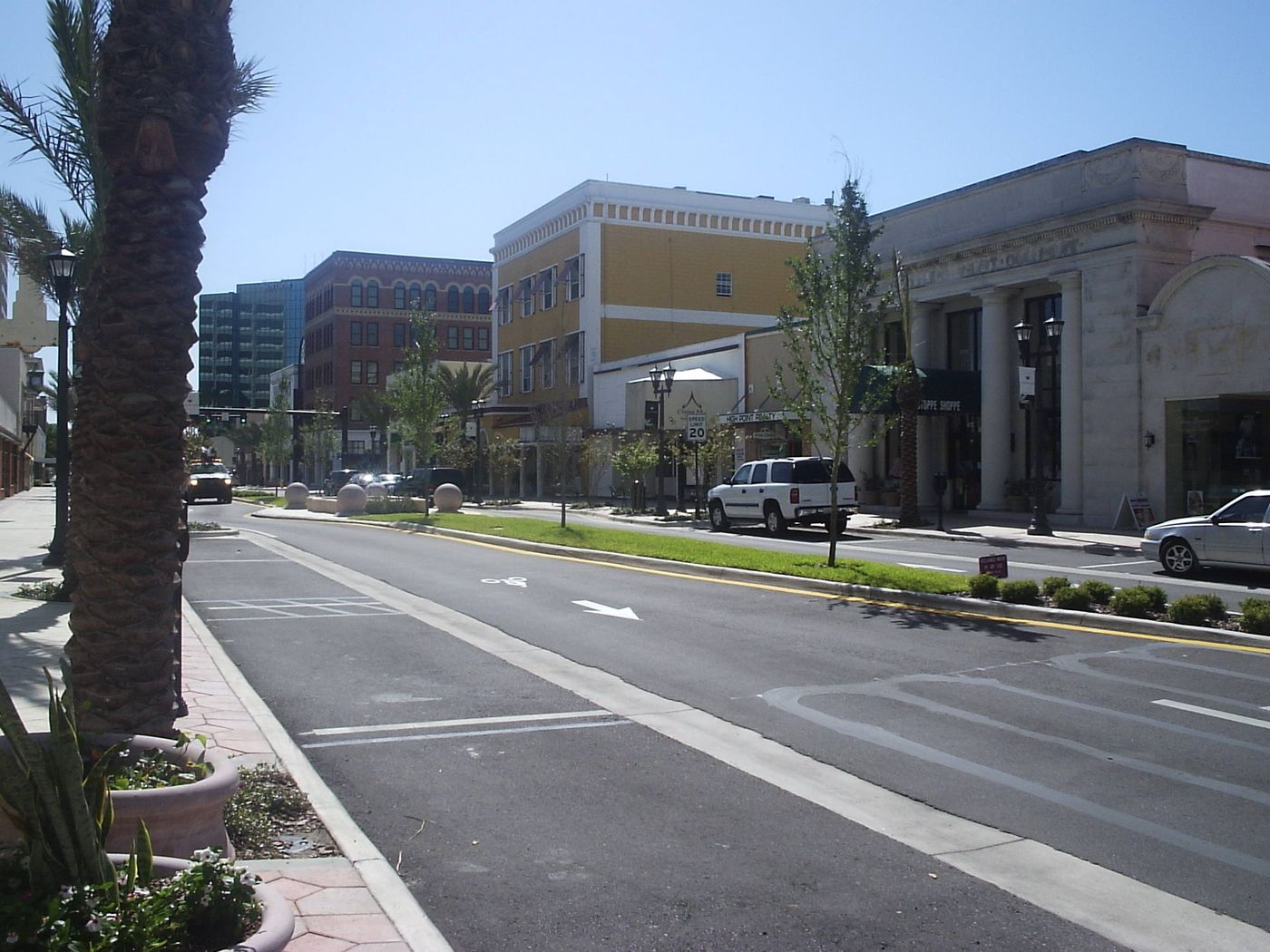
Photo: qwesy qwesy, CC BY 3.0 (see credits)
The housing gap
Across the country, workers can’t afford to live where they work.
Conventional rents have outrun paychecks. Meanwhile, office buildings sit partly empty. Those two problems can solve each other.
Nationally
Tampa Bay & Clearwater
Our solution
Commercial-to-co-living conversion
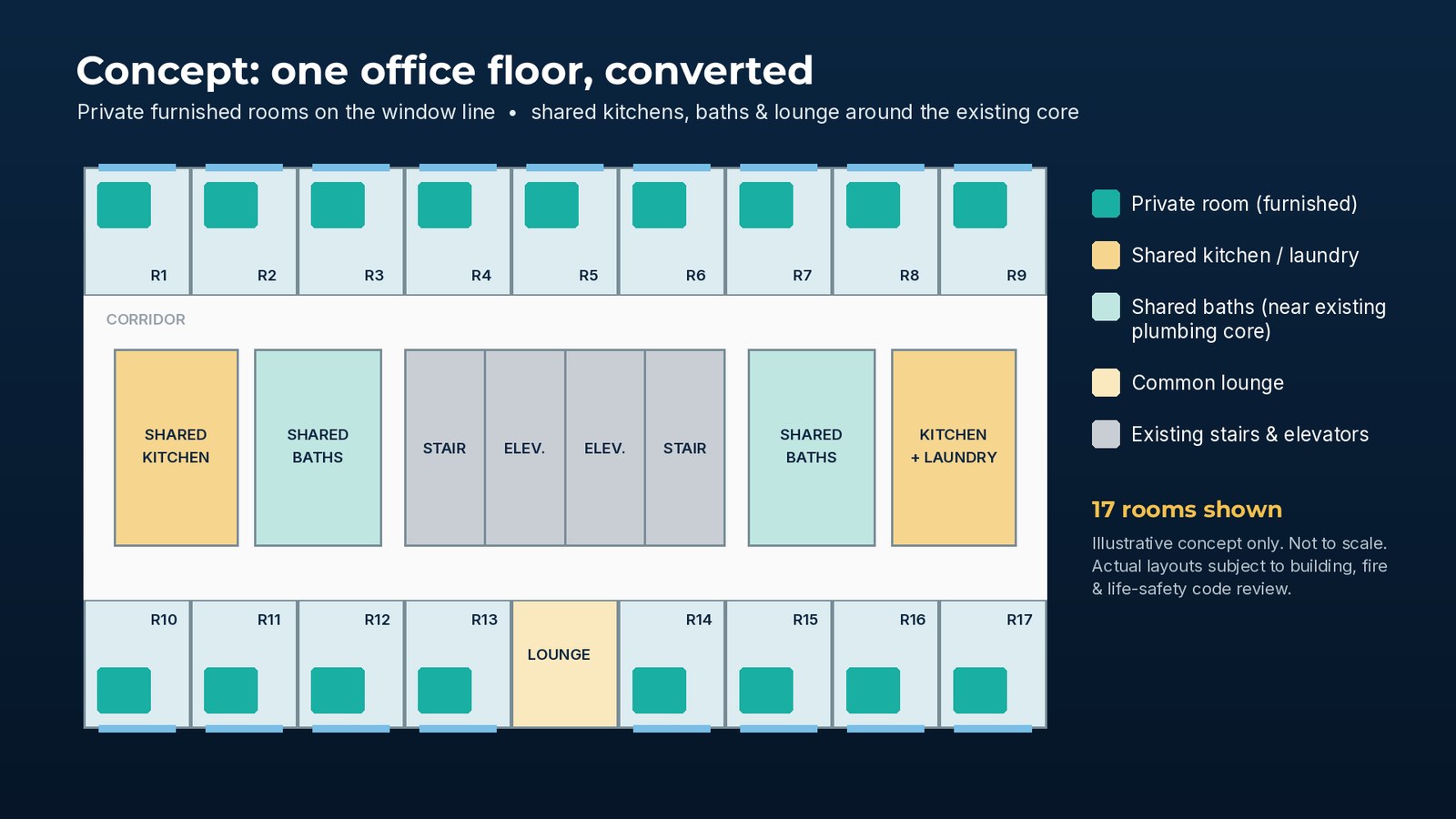
We turn underused office and commercial floors into well-run shared housing. Office floors already have corridors, elevators and plumbing cores, so a room-based layout can mean less construction than full apartments and a faster path to move-in.
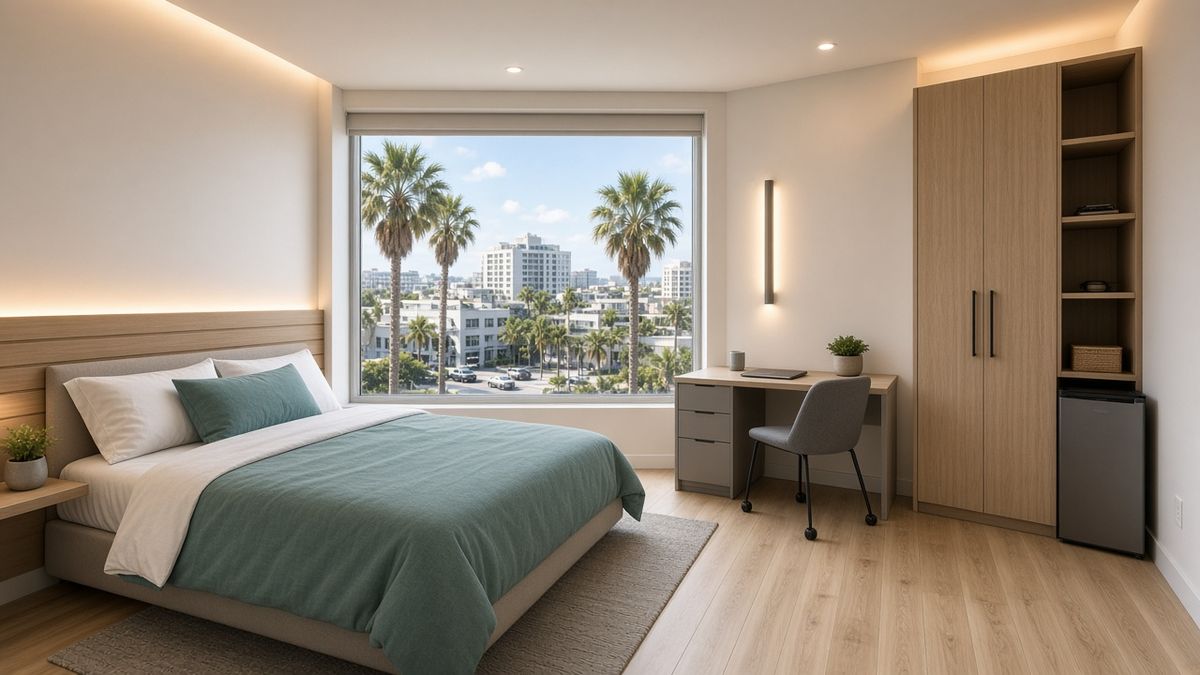
- Private, furnished rooms along the window line
- Shared kitchens, baths and lounges around the existing core
- All-inclusive rent: utilities and Wi-Fi included, weekly or monthly terms
- Professional on-site management, clear house rules and responsive support
- Fair-housing compliant, with every home following federal, state and local fair-housing law19
Why co-living works for workers
Industry data from PadSplit, a national co-living platform: rooms average about 47% below studio rents nationally8, 90% of its members are employed, and their median income is about $27,6009. These are national figures, not projections for any specific project. NAHP is independent of PadSplit.
Who we house
The workforce that keeps a city open
Hospitality & tourism
Servers, cooks, housekeepers and front-desk staff. In Pinellas County alone, tourism supports about 100,000 jobs.10
Healthcare
Nurses, techs and support staff at hospitals and clinics, often working shifts around the clock.
Public safety
Police, fire and EMS personnel who need to live close to the communities they protect.
City services
Municipal and county employees, transit workers and educators.
Retail
The staff of downtown shops, restaurants and entertainment venues.

Live + work
A place to live, and a place to work, under one roof
Many people now work from home, but a small room isn't an office. In select buildings, we plan to set aside part of a floor as a shared co-working space for residents, so remote workers get an affordable place to live and sleep plus a real place to get work done, without paying for a separate office.
Shared workspace
Desks, quiet zones and small meeting rooms, available to residents.
Fast, reliable internet
Business-grade Wi-Fi included in the rent.
A better use of office space
Converted buildings already have the layout for it, so part of a floor can stay a workspace while the rest becomes homes.
Homes built around community
Some residents feel most at home living with people who share their situation. Where the law allows, select homes or floors can be set up for specific communities, for example:
Women's homes
Shared homes for women only.
Men's homes
Shared homes for men only.
Veterans' homes
Homes for veterans, with room to partner with veteran-service organizations.
Any community-specific home will be designed to comply with federal, state and local fair-housing law, and will be reviewed with housing counsel before it opens.
For property owners
Keep your building. Earn from your vacant floors.
We partner with owners of underused office and commercial buildings. There is no sale and no loss of control.
- Keep ownership through a master lease or management agreement
- Steady income from floors that earn nothing today
- Occupied, lit, activated buildings, with residents who shop and dine nearby
- A professional operator handles conversion, leasing, screening and day-to-day management
- Start small: pilot one floor, measure results, then expand
For cities
A win for downtowns
Residents & foot traffic
New residents mean daily customers for downtown restaurants, shops and venues, both evenings and weekends.
Workforce housing near jobs
Shorter commutes and more reliable staffing for hospitality, healthcare and public-service employers.
Productive use of property
Vacant floors are put back to work and buildings are activated, using existing structures rather than new land.
Working within local rules
Every project goes through local planning, building and fire-marshal review. Some states offer streamlined pathways. In Florida, for example, the Live Local Act (2023) lets qualifying residential projects that meet affordability requirements proceed in commercial zones through administrative approval.18 Eligibility depends on each property and jurisdiction, and we work with each city to find the right path.
Flagship market
Clearwater, Florida
Clearwater is our pilot market: a growing waterfront downtown with empty office floors, a 3-mile trip from one of the country’s best-known beaches, and thousands of workers who struggle to live nearby.
Video: “Workforce Co-Living in Downtown Clearwater” (4 min 26 s). Sources and image credits appear at the end of the video. Synthetic narration.
How it works
Start small, prove it, then scale
- Phase 1
Pilot one floor
Select one vacant floor in one building. Sign a master lease or management agreement, with the owner keeping title. Furnish the rooms and convert shared kitchens and baths.
- Phase 2
Approvals & safety
Work with city planning, building officials and the fire marshal on code compliance and life-safety upgrades such as egress, sprinklers and alarms, and explore any streamlined state or local pathways.
- Phase 3
Operate, measure, scale
Professional management, fair and consistent screening open to all qualified applicants, clear house rules and on-call support. Track occupancy and impact, then expand building by building.
Expanding nationwide
Clearwater first. Then the cities that need it most.
The same mismatch exists in many U.S. cities: high rents, workers commuting long distances, and underused commercial buildings. After Clearwater, we will look for markets where these factors line up:
- Rents well above what local service and public-sector wages can support
- Downtown or corridor office space with persistent vacancy, especially older Class B and C buildings
- Large hospitality, healthcare or public-sector workforces
- Cities open to adaptive reuse and housing near jobs
We are not announcing specific markets or commitments at this time. Interested owners and city leaders are welcome to reach out.

Contact
Let’s start with one floor.
Property owners, city leaders, employers and investors: we’d like to hear from you.
Jeffrey LoperFounder, National Affordable Housing Partners